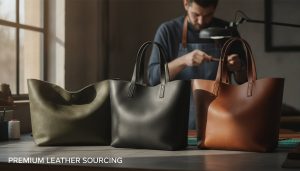


Own family facility
You deal directly with the manufacturer. We control planning, quality and pricing ourselves.

What if that exquisite sample on your desk is actually a liability rather than a promise? You’ve likely felt the sting when a bulk shipment arrives with inconsistent grain or subpar stitching that doesn’t match the prototype. It’s a common hurdle, as 64% of B2B buyers cited supply chain transparency as their primary concern for the 2026 fiscal year. Finding a reliable leather goods manufacturer requires more than just a search for the lowest price. It’s about finding an artisan partner who respects the character of full-grain leather and understands that your brand’s reputation rests on every single seam.
We agree that your business deserves more than just a vendor; you need a collaborator who values integrity and timeless quality. Since the 2024 Leather Industry Report found that 42% of brands struggle with restrictive MOQs, we’ve outlined a more flexible path for your growth. This guide promises to reveal the essential criteria for selecting a partner that balances traditional craftsmanship with scalable B2B logistics. We’ll explore the specific audit checklists, ethical sourcing proofs, and production models you’ll need to thrive in 2026.
Choosing a professional leather goods manufacturer involves more than auditing a factory floor. In the 2026 B2B landscape, a manufacturer must function as a strategic production partner. This shift means moving away from transactional relationships toward the Adnan Standard. This benchmark balances three generations of artisanal heritage with modern business reliability. It’s a commitment to the intrinsic value of the product where craftsmanship meets data-driven logistics.
Material expertise serves as the foundation of every high-quality leather item. If a producer lacks a deep understanding of hide density or fiber structure, the final product will likely fail within 18 months of heavy use. High-end production also requires European design sensibilities. This perspective ensures that products aren’t just functional but possess a timeless class that appeals to global markets. Every stitch and edge paint application reflects a legacy of quality that defines a brand’s reputation for decades.
A standard supplier follows a technical sketch without question, even if the design contains structural flaws. A true manufacturing partner provides proactive feedback during the initial 72 hours of the prototyping phase. They identify if a specific gusset design will cause premature wear or if a zipper placement compromises the leather’s integrity. These partnerships offer significant business advantages:
B2B buyers must master leather grades to ensure they’re receiving the value they pay for. Full-grain leather is the highest tier, featuring the intact top layer of the hide. It’s characterful, breathable, and develops a rich patina over 10 years of use. Top-grain leather is slightly thinner and sanded to remove imperfections, offering a more uniform look for corporate collections.
You should avoid “genuine leather” in premium 2026 collections. This term is often a misleading marketing label for split leather that’s been embossed and heavily treated with chemicals. It lacks the structural strength of superior grades. The tanning process also dictates the product’s lifespan. While chrome tanning is faster, vegetable-tanned leather uses natural tannins. This process takes up to 60 days but creates a product that ages beautifully and meets the sustainability standards that 82% of modern luxury consumers now expect.
A professional leather goods manufacturer doesn’t just assemble hides; they manage a complex ecosystem of technical variables that dictate the final product’s lifespan. Technical mastery begins with the machinery. You’ll want to verify that a facility uses specialized equipment like triple-feed walking foot machines for heavy bags or cylinder arm machines for tight corners. These tools ensure that stitch tension remains uniform across different leather thicknesses, preventing the structural failures that often plague mass-produced items.
Precision in edge finishing is another hallmark of a high-tier partner. While budget factories might use basic paints that crack within 12 months, an expert manufacturer utilizes multi-stage edge painting and heat-sealing processes. This creates a smooth, durable finish that moves with the leather. Internal quality control (QC) must be integrated at every stage. Look for a 4-point inspection system: raw hide grading, component matching after cutting, mid-assembly verification, and a final aesthetic audit. This rigorous approach reduces defect rates to below 1.5% in a typical production run.
Hardware sourcing is just as critical as the leather itself. A premium bag is only as strong as its weakest zipper or buckle. Ensure your partner sources 100% solid brass or stainless steel components. Zinc alloys might look identical at first glance, but they often corrode or snap under stress within two years of regular use. Technical precision in hardware ensures that every snap and slide feels substantial, reinforcing the brand’s reputation for reliability.
The transition from a concept to a physical product starts with a tech pack analysis. A skilled leather goods manufacturer will scrutinize your blueprints to identify potential structural weaknesses, such as stress points on handle attachments. Expect a 14 to 21-day window for a first prototype. When you receive the sample, inspect the stitch count carefully; high-end goods usually maintain 7 to 9 stitches per inch. If the sample shows uneven tension or loose threads on the interior lining, it’s a clear indicator that the production line lacks the necessary oversight.
Manufacturing a structured tote bag requires deep knowledge of internal reinforcements like Texon or Salpa to maintain its shape. In contrast, wholesale small leather goods like wallets demand extreme precision, where leather is often skived down to a thickness of just 0.5mm for card slots. Modern B2B catalogs also require the integration of technology, such as RFID-blocking fabrics. This involves laminating specialized metallic layers between the leather and the lining without compromising the wallet’s slim profile. If you’re seeking this level of technical balance, consider our handcrafted leather solutions that combine traditional craftsmanship with modern functional requirements.
Ethics drive profit in the modern market. By 2026, roughly 75% of European retailers will require full supply chain disclosure before signing a contract. A partner who hides their process is a liability. Your chosen leather goods manufacturer should provide digital passports or detailed documentation for every hide. This transparency builds trust with the 60% of Gen Z consumers who research a brand’s social impact before making a purchase. High-quality leather is a natural material that deserves respect; this starts with ensuring workers receive living wages that exceed local minimums by at least 15% to maintain a stable, skilled workforce.
Tanning methods define the environmental footprint of your collection. While chrome tanning remains common for its speed, vegetable tanning uses natural tannins from bark and leaves. This traditional process takes up to 40 days but creates a biodegradable product with a rich, earthy scent. Modern buyers often prefer a mix, using chrome-free leathers for vibrant colors and vegetable-tanned hides for heritage pieces. Consider these factors when evaluating a manufacturer’s facility:
Tracing hides back to the specific tannery is the new gold standard for B2B operations. Certifications like the Leather Working Group (LWG) gold rating verify that environmental protocols are strictly followed. Adnan Lederwaren bridges the gap between European design and Indian craftsmanship through a rigorous dual-location quality control system. Our Dutch experts conduct weekly video audits and quarterly on-site visits to our Indian production hub. This ensures that the 200+ artisans in our network work in environments that prioritize light, ventilation, and ergonomics, meeting international safety standards without losing the soul of the craft.
Synthetic options have evolved rapidly. By 2025, the global vegan leather market reached a valuation of $66 billion, driven by eco-conscious fashion trends. You should choose these alternatives for collections focused on rapid trend cycles or specific animal-free brand mandates. Modern bio-based materials, like those derived from pineapple fibers or recycled plastics, now achieve a 90% similarity to the feel of genuine hide. However, it’s vital to remember that they rarely match the 20-year lifespan of full-grain leather. Balancing your collection with 30% sustainable synthetics can capture the growing eco-conscious B2B segment while your leather goods manufacturer maintains the durability your brand is known for.

The soft texture of full-grain leather is a powerful selling point, but the success of your retail season hinges on the fine print of your business contract. A reliable leather goods manufacturer must offer more than just aesthetic excellence; they need to provide a predictable, transparent supply chain. In 2026, international shipping costs and customs duties can add 15% to 22% to your total landed cost. If these logistics aren’t clarified during the negotiation phase, your profit margins will disappear before the first pallet reaches your warehouse.
Managing lead times requires a balance between production efficiency and the patience needed for artisanal care. For premium leather items, expect a standard production window of 45 to 60 days. This timeframe allows for the natural drying processes and hand-finishing techniques that define high-quality goods. Rushing this process often leads to “blooming” or salt stains on the leather, which can ruin an entire batch. You should demand a production schedule that includes specific milestones for material sourcing, assembly, and final finishing.
Handling international trade regulations is equally critical. By 2026, environmental reporting requirements for leather imports have become more stringent. Ensure your partner provides comprehensive documentation, including a Certificate of Origin and REACH compliance forms. These papers aren’t just bureaucracy; they’re your legal shield when goods cross borders. Using Incoterms like DDP (Delivered Duty Paid) can simplify your life by putting the burden of customs on the manufacturer, though many retailers prefer EXW (Ex Works) to maintain tighter control over their freight costs. For brands prioritizing shorter lead times and regulatory compliance, partnering with a European leather manufacturer can significantly reduce shipping delays and ensure adherence to stringent EU environmental standards.
Minimum Order Quantities (MOQs) exist because set-up costs for specialized cutting dies and custom tanning batches are high. Most manufacturers in 2026 require at least 50 to 100 units per style to keep production viable. You can often negotiate these numbers by offering a higher unit price for smaller “test” batches or by using stock leather colors. For a detailed breakdown of how to manage these requirements, see our guide on leather manufacturer moq. A manufacturer that can scale from 50-unit boutique runs to 1,000-unit bulk distributions is a partner that grows with your brand.
Consistency is the hallmark of a professional leather goods manufacturer. We recommend implementing a “Double Check” system where factory-level inspections occur during the stitching phase, followed by a final export-level audit before packing. For high-volume orders of wallets and belts, an Acceptable Quality Level (AQL) of 2.5 is the industry standard you should insist upon. This means that in a batch of 500 items, no more than 14 minor defects are acceptable. Always request a physical “gold sample” that serves as the benchmark for every item produced in the main run. To ensure you’re working with reliable partners, consider using a comprehensive evaluation checklist for leather goods suppliers that covers everything from production capabilities to ethical sourcing standards.
Adnan Lederwaren operates on a simple philosophy: we only succeed when our partners grow. Since our founding, we’ve bridged the gap between European design precision and traditional craftsmanship. This isn’t just about being another leather goods manufacturer; it’s about providing a foundation for your brand’s longevity. We combine the logistical efficiency of our Almere headquarters with the deep-rooted skills of our Indian production facility. Our family-led structure means you get personal attention, while our global reach ensures we can handle the demands of any market size.
Our business model eliminates the common friction found in international sourcing. By maintaining our central office in Almere, Netherlands, we provide our partners with direct communication and streamlined logistics within the EU. You’ll work with a team that understands European quality standards and REACH compliance inside out. Meanwhile, our dedicated facility in India allows us to scale production while keeping costs competitive. We employ over 150 skilled artisans who use traditional techniques to handle premium full-grain leathers. This setup ensures you don’t have to choose between artisanal quality and the volume required for 2026 retail demands.
Sourcing from multiple vendors creates fragmented supply chains and inconsistent quality. Adnan Lederwaren solves this by offering a versatile range under one roof. You can source everything from wholesale leather handbags to specialized items like leather aprons for the hospitality sector. Our catalog includes a wide variety of goods designed to last. Before placing your first order, we recommend reviewing our wholesale leather goods catalog to explore our full range of high-margin retail collections and flexible customization options:
As a family-led business, we treat every order with personal care. Whether you’re a boutique looking for a small batch or a large retailer needing thousands of units, our team provides tailored support. We’ve optimized our 2026 production cycles to offer faster turnaround times without compromising the integrity of the material. If you’re ready to elevate your inventory, contact us today for a custom quote or to view our latest B2B catalog. We’re ready to help your business thrive with leather goods that tell a story of character and durability.
Selecting the right leather goods manufacturer requires a careful balance between traditional artistry and modern technical requirements. As you plan for 2026; your partnership should prioritize ethical sourcing and advanced features like RFID-blocking technology or sustainable vegan leather alternatives. Adnan Lederwaren has operated as a trusted B2B wholesaler since 2010, bridging the gap between high-volume needs and artisanal quality. Our dual-location quality control system, spanning both the Netherlands and India, ensures that every piece meets rigorous European standards before it reaches your warehouse. We focus on products that gain character over time. This provides your customers with lasting value rather than disposable fashion. By choosing a partner who understands both the heritage of full-grain leather and the demands of modern logistics, you’re investing in the long-term growth of your brand. We’ve refined our processes over 14 years to ensure your inventory remains consistent, characterful, and reliable. We’re ready to help you curate a collection that reflects your commitment to excellence and durability.
Request Our B2B Leather Goods Catalog Today
We look forward to building a partnership that stands the test of time, just like our leather.
Typical minimum order quantities for boutique production range from 50 to 100 units per style. While mass-market factories often demand 500 pieces, a specialized leather goods manufacturer focuses on smaller, high-quality batches to preserve craft integrity. This lower threshold allows you to test 3 or 4 different designs without overextending your initial 2026 inventory budget.
The sampling process generally takes 14 to 28 days from the moment we finalize your technical drawings. This timeframe accounts for sourcing specific full-grain hides and creating custom brass molds for your hardware. If you require a second round of refinements, expect to add another 10 days to the schedule before starting full production.
Yes, about 75% of modern facilities now offer plant-based alternatives like apple, cactus, or pineapple leather. We ensure these materials meet the same durability standards as traditional hides, though they require different stitching tensions. It’s vital to check if the factory uses separate needles for synthetics to prevent any cross-contamination of natural oils between batches.
You should prioritize the LWG (Leather Working Group) Gold rating and the SA8000 certification for social accountability. These credentials prove the tannery manages water waste effectively and treats its 50 or 100 employees with genuine respect. 90% of premium European brands now require these specific documents to verify a transparent and sustainable supply chain.
A reliable leather goods manufacturer maintains consistency by using a “golden sample” as the absolute quality benchmark for every piece. We implement a strict AQL 2.5 inspection level, meaning we physically check 10% of your total order for grain uniformity and stitch density. This rigorous approach ensures that the 200th bag feels just as supple and characterful as the very first prototype.
Private label manufacturing involves creating a unique design from scratch, while white label uses the factory’s existing 2025 patterns with your logo attached. Private label requires a 20% higher upfront investment for custom patterns but gives you 100% exclusivity in the market. White label is significantly faster, often allowing you to launch a new collection within 30 days of payment.
A specialized leather goods manufacturer offers a curated selection of hardware like YKK zippers and premium linings such as organic cotton twill. We help you choose between 15mm and 20mm buckles to ensure the proportions match your bag’s silhouette perfectly. Selecting the right 250gsm lining weight is crucial because it prevents the interior from sagging under the weight of daily essentials.
Import duties typically range from 2% to 15% depending on your country’s trade agreements and the product’s origin. Air freight adds roughly $6 to $12 to the cost of each individual handbag, while sea freight reduces this to about $1.80 per unit. You should always calculate your “landed cost” by adding these 3 variables to the factory’s initial quote to avoid surprises. For retailers looking to build a high-margin inventory, our detailed retailer’s guide to wholesale small leather goods covers how to factor in these costs when curating a premium accessory collection.


You deal directly with the manufacturer. We control planning, quality and pricing ourselves.

One point of contact from first question to delivery. English, Dutch and German.

Approve a physical sample first. We are happy to sign your NDA.

Incoming leather, after cutting, during production, and a final inspection before dispatch.
 English English
 Nederlands
 Deutsch
 Français
 Italiano
 Español
Comments are closed.